Why Ora Pro Nobis Deserves a Spot in Your Diet: The Benefits Behind the Leaves
1. Gentle on Your Gut
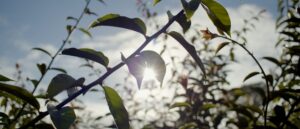
Ora pro nobis leaves contain mucilage, a gel forming soluble fiber made mainly of arabinogalactan.1 In a randomized trial in overweight men, foods made with ora pro nobis flour improved digestive symptoms and increased satiety.2 In a rat study, the flour lowered total cholesterol and improved intestinal motility.3 The mucilage also gives the leaves their slightly gelatinous texture.
2. Vitamin C and Beta Carotene
Across studies, dried leaves contained about 43 to 186 mg of vitamin C and 8 to 43 mg of beta carotene per 100 g.4
3. Minerals for Bones and Muscles
Dried leaves contained about 1,300 to 4,600 mg of calcium and 600 to 1,900 mg of magnesium per 100 g.4
4. Antioxidants
The leaves contain carotenoids, phenolic compounds and flavonoids.4,5 Extracts of the leaves and flour showed antioxidant activity in lab tests, not in studies in people.6-8
5. Protein With All Essential Amino Acids
Dried leaves contain about 14 to 29 g of protein per 100 g. The protein includes all essential amino acids, with methionine and lysine slightly below WHO reference levels, and its in vitro digestibility is 75.9%, similar to beans, wheat and rice.4,9 It is a good addition to plant based diets, but it needs to be paired with other protein sources to provide all essential amino acids in the amounts the body needs.
Final Thoughts
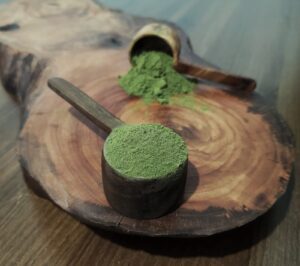
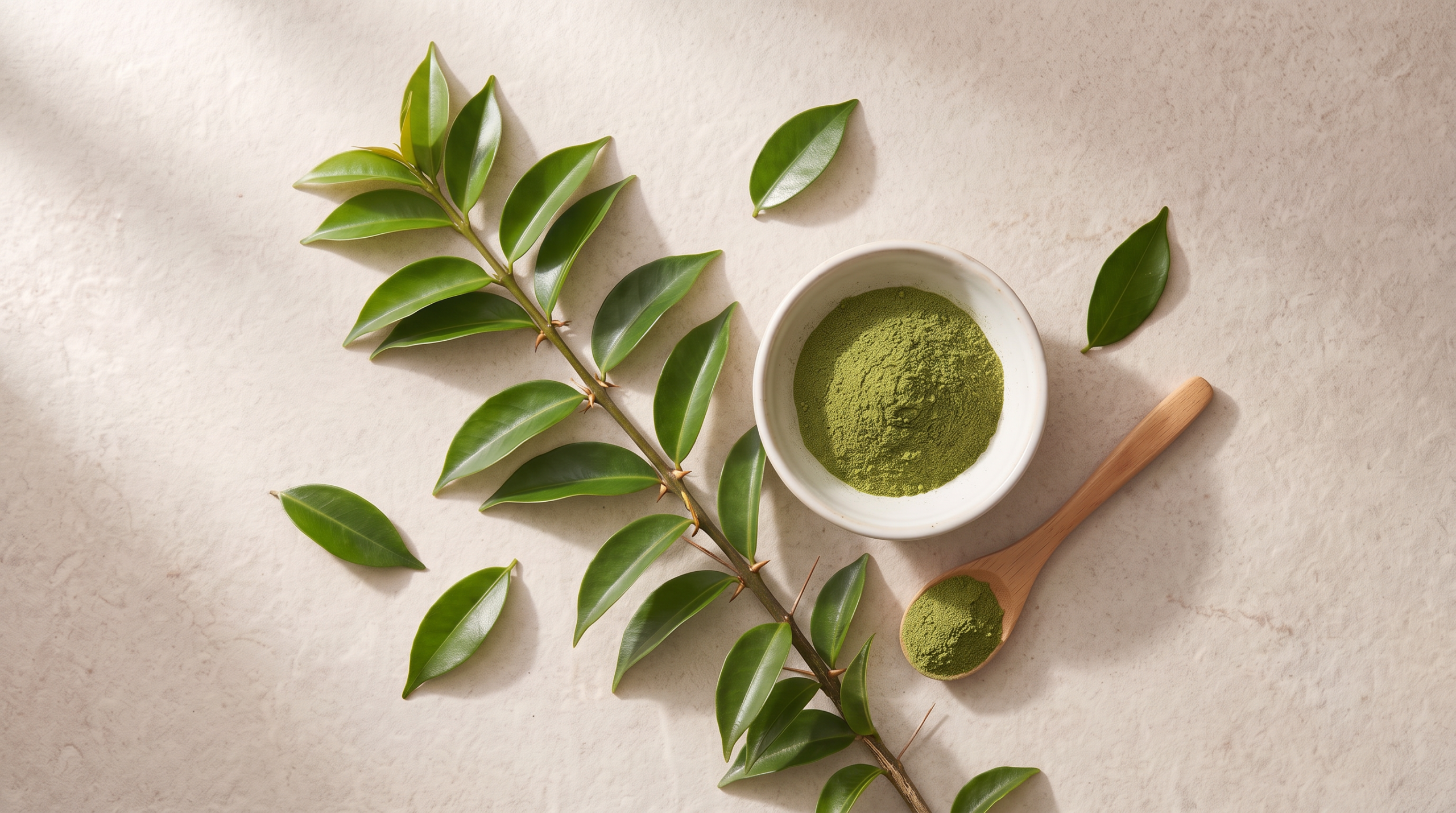
Ora pro nobis is nutrient dense, rooted in Brazilian tradition and still underused. That is why we turned it into a powder you can stir into water, smoothies, soups and doughs.
Sources
- Martin AA, de Freitas RA, Sassaki GL, Evangelista PHL, Sierakowski MR. Chemical structure and physical-chemical properties of mucilage from the leaves of Pereskia aculeata. Food Hydrocoll. 2017;70:20-28. doi:10.1016/j.foodhyd.2017.03.020
- Vieira CR, da Silva BP, do Carmo MAV, et al. Effect of Pereskia aculeata Mill. in vitro and in overweight humans: a randomized controlled trial. J Food Biochem. 2019;43(7):e12903. doi:10.1111/jfbc.12903
- Barbalho SM, Guiguer ÉL, Marinelli PS, et al. Pereskia aculeata Miller flour: metabolic effects and composition. J Med Food. 2016;19(9):890-894. doi:10.1089/jmf.2016.0052
- Silva NFN, Silva SH, Baron D, Neves ICO, Casanova F. Pereskia aculeata Miller as a novel food source: a review. Foods. 2023;12(11):2092. doi:10.3390/foods12112092
- Garcia JAA, Corrêa RCG, Barros L, et al. Phytochemical profile and biological activities of ‘Ora-pro-nobis’ leaves (Pereskia aculeata Miller), an underexploited superfood from the Brazilian Atlantic Forest. Food Chem. 2019;294:302-308. doi:10.1016/j.foodchem.2019.05.074
- Cruz TM, Santos JS, do Carmo MAV, et al. Extraction optimization of bioactive compounds from ora-pro-nobis (Pereskia aculeata Miller) leaves and their in vitro antioxidant and antihemolytic activities. Food Chem. 2021;361:130078. doi:10.1016/j.foodchem.2021.130078
- Ciríaco ACA, Mendes RM, Carvalho VS. Antioxidant activity and bioactive compounds in ora-pro-nóbis flour (Pereskia aculeata Miller). Braz J Food Technol. 2023;26:e2022054. doi:10.1590/1981-6723.05422
- Souza LF, Caputo L, Inchausti De Barros IB, Fratianni F, Nazzaro F, De Feo V. Pereskia aculeata Muller (Cactaceae) leaves: chemical composition and biological activities. Int J Mol Sci. 2016;17(9):1478. doi:10.3390/ijms17091478
- Takeiti CY, Antonio GC, Motta EMP, Collares-Queiroz FP, Park KJ. Nutritive evaluation of a non-conventional leafy vegetable (Pereskia aculeata Miller). Int J Food Sci Nutr. 2009;60(suppl 1):148-160. doi:10.1080/09637480802534509