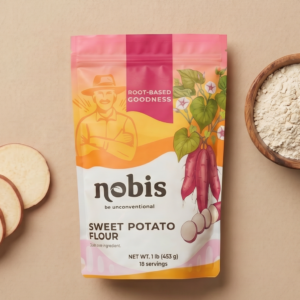
Our sweet potato flour has one ingredient, a sweet potato called BRS Rubissol. It was not bred for a factory. It was selected over many years by public researchers in the south of Brazil, with farmers testing it along the way.
Where it comes from
Rubissol comes from Embrapa, Brazil’s public agricultural research agency. Researchers at Embrapa Clima Temperado, in Pelotas, Rio Grande do Sul, selected it from sweet potato plants collected in that region. Field and laboratory trials began in 1994. During those years it carried the working name ILS 07.1
The selected plants went through clonal cleaning, a process that removes viruses, so growers start with healthy planting material. It was also evaluated with farmers in the region before release. Embrapa launched it in 2011.1,2
Is it genetically engineered?
No. Rubissol was not made by changing its genes in a lab. Researchers started with sweet potato plants already growing around Pelotas. They grew them side by side in field trials and kept the best ones over many years. Sweet potatoes are planted from cuttings, so each new plant is a copy of the one that was chosen. Clonal cleaning only removes viruses from that planting material. It does not change the plant.1
What it looks like
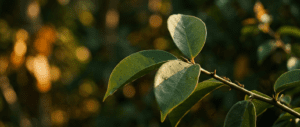
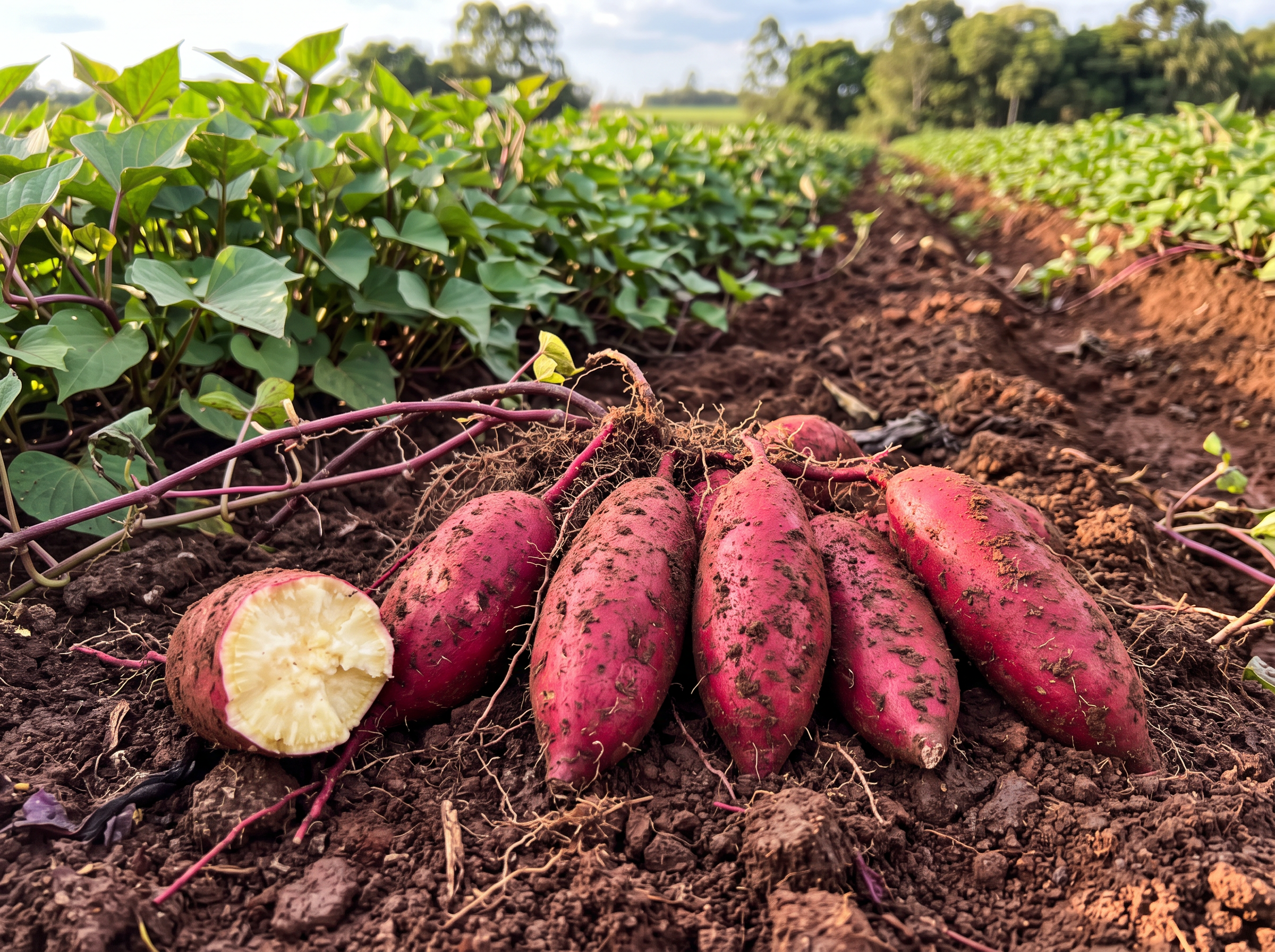
The name fits. The skin is an intense ruby red. The flesh is cream tending to yellow. The roots are uniform, about 10 by 18 cm, and the plant is vigorous, with heart shaped leaves. Embrapa describes the cooked or baked root as very sweet, with a floury texture.1
Why it matters to a small farm
In the south of Brazil, sweet potato is grown mainly by small family farmers.3 A variety that yields well and starts from clean planting material makes a real difference on a small plot.
- About 40 metric tons per hectare on average in Embrapa’s trials, well above the Brazilian averages of the time.1,2
- Ready to harvest in 120 to 140 days.1
- Seedlings made available through Embrapa’s technology transfer office.1
What later studies found
A 2023 study in Horticultura Brasileira tested sweet potato cultivars over two seasons in Canoinhas, Santa Catarina. Rubissol produced 62.8 metric tons of marketable roots per hectare in the first season and scored among the best for root appearance. The authors named it among the genotypes with the most potential for the region.4
What is in it
Few studies have measured the nutrients of Rubissol itself, so we only share what was measured on this variety.
- A dense, starchy root. A 2023 study found about 34% dry matter and 28% starch in the raw root.5 That is one reason it dries and mills well.
- Cream flesh with phenolic compounds. Embrapa researchers measured about 110 mg of phenolic compounds per 100 g of raw peeled root, and about 192 mg per 100 g after roasting. Carotenoids were low, about 1.4 mg per 100 g, and no anthocyanins were detected in the flesh, which fits its cream color.6
- Cooking changes the starch. In a lab digestion test, the share of starch that resisted digestion was highest in the raw dried flour and lowest after oven roasting. Microwave and pressure cooking kept more of it.5 This was a lab test on one harvest, not a study in people, and not a test of our flour.
How it compares with the sweet potato most Americans eat. The orange sweet potato common in the United States is about 23% dry matter and 13% starch when raw, and it is rich in beta carotene.7 Rubissol, as mentioned earlier, is denser and starchier, and it has much less carotenoid, which is why its flesh is cream and not orange.5,6 These numbers come from different studies, so read them as a general picture, not a side by side test.
What we still do not know: there is no published data on the minerals, vitamins, dietary fiber or glycemic index of Rubissol.
Why we chose it
Our Rubissol is grown by small farmers in Paraná, in the south of Brazil. Its natural sweetness and floury texture are what make it a good flour for pancakes, muffins and rolls.
The bottom line
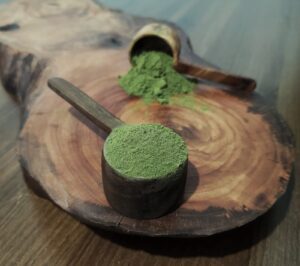
Rubissol is a public variety, developed slowly and tested with farmers. It is dried and milled. Nothing else goes in.
Sources
- Castro LAS, Becker A. Batata-doce: BRS Rubissol. Embrapa Clima Temperado; 2011. Accessed October 13, 2026. https://www.infoteca.cnptia.embrapa.br/handle/doc/906299
- Embrapa lança três novas cultivares de batata-doce. Revista Cultivar. May 11, 2011. Accessed October 13, 2026. https://www.revistacultivar.com.br/noticias/embrapa-lanca-tres-novas-cultivares-de-batata-doce
- Novas cultivares de batata-doce da Embrapa chegam ao mercado. Revista Cultivar. June 10, 2011. Accessed October 13, 2026. https://revistacultivar.com.br/noticias/novas-cultivares-de-batata-doce-da-embrapa-chegam-ao-mercado
- Silva GO, Melo RAC, Vendrame LPC, et al. Performance of sweetpotato cultivars and elite genotypes in subtropical southern Brazil. Hortic Bras. 2023;41:e2589. doi:10.1590/s0102-0536-2023-e2589
- Bedin AC, Bach D, Junges MFS, Lacerda LG, Demiate IM. Influence of cooking method on the in vitro digestibility of starch from sweet potato roots. Braz Arch Biol Technol. 2023;66:e23230872. doi:10.1590/1678-4324-2023230872
- Vizzotto M, Pereira ES, Vinholes JR, et al. Physicochemical and antioxidant capacity analysis of colored sweet potato genotypes: in natura and thermally processed. Cienc Rural. 2017;47(4):e20151385. doi:10.1590/0103-8478cr20151385
- US Department of Agriculture. FoodData Central: sweet potato, raw, unprepared (FDC ID 168482). Accessed October 13, 2026. https://fdc.nal.usda.gov/food-details/168482/nutrients