
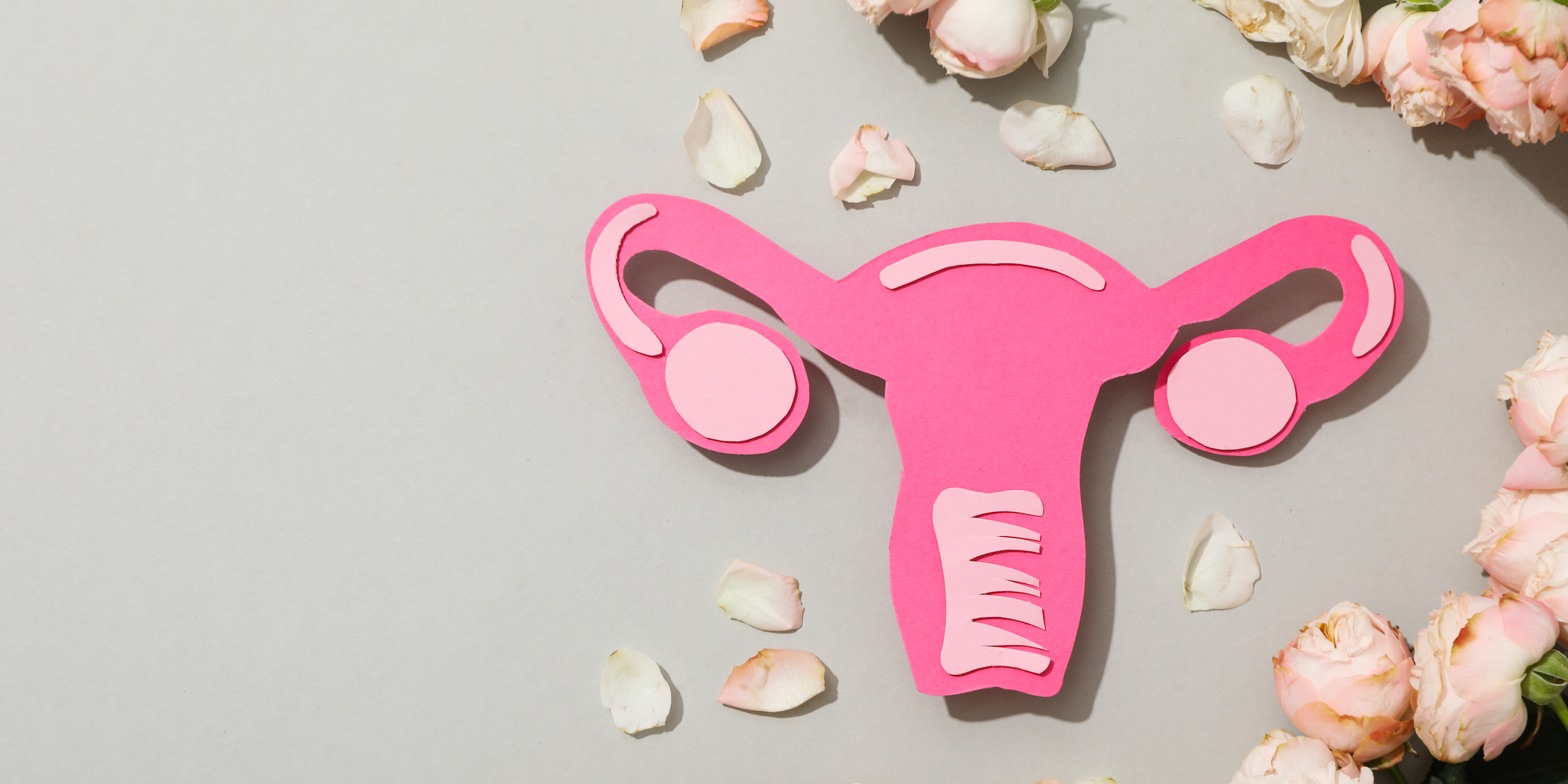
Understanding What’s Really Going On
If you’ve ever wondered why your period brings cramps, fatigue, mood swings, low confidence, or bloating, the answer lies in your hormones. Unlike men, who experience more steady daily hormone levels, women move through a circular process. Each phase of the menstrual cycle brings hormonal shifts that affect how we feel, physically and emotionally.
During your period (the early follicular phase), estrogen and progesterone levels drop, triggering the uterus to shed its lining. This drop also influences brain chemicals like serotonin, dopamine, and cortisol, which explains why cramps, low energy, or irritability often show up.
The good news? Nutrition can help. By choosing foods rich in specific nutrients, you can support your body through this demanding stage of the cycle and ease common symptoms.
Why Nutrition Matters During Your Period
During your period, it’s important to watch your diet more closely. The right foods can help diminish common symptoms like fatigue, cramps, and mood swings by giving your body the nutrients it needs for support. Boosting your intake of key nutrients like iron, magnesium, calcium, and antioxidants in each meal can make this stage of the cycle feel a little easier to manage.
The Work Behind the Cycle: FSH and LH
Even while you’re on your period, your body is already preparing for the next phase. This work starts in the brain, where the pituitary gland releases hormones that guide your ovaries
- FSH (follicle-stimulating hormone) stimulates several follicles in the ovaries to grow. From this group, usually one becomes dominant, maturing into the healthiest egg with the greatest potential for ovulation. This process takes a lot of energy and resources.
- As FSH begins to rise, many people already notice they feel a little better compared to the first days of bleeding, and energy slowly starts to return as estrogen production ramps up.
- Later, LH (luteinizing hormone) steps in. A sharp surge of LH is what triggers ovulation, releasing that mature egg so it’s ready for fertilization and possible implantation.
All of this effort, from brain signals to ovarian response, is focused on releasing just one healthy egg each cycle. Supporting your body with the right nutrition during your period helps provide the foundation for this demanding work.
Key Nutrients That Can Make a Difference
Iron
Why it matters: Menstrual bleeding causes iron loss, which can lead to fatigue and brain fog.
Evidence: The WHO recommends boosting iron intake during menstruation to lower the risk of anemia. Pairing iron-rich plant foods with vitamin C improves non-heme iron absorption.
Food sources: Lentils, beans, spinach, tofu, fortified cereals, seeds, nuts, and also heme sources like lean meats, poultry, fish, and nobis powder.
Vitamin C
Why it matters: Enhances absorption of non-heme iron and supports tissue repair during menstruation.
Evidence: Studies consistently show vitamin C increases the bioavailability of non-heme iron.
Food sources: Citrus fruits, bell peppers, berries, kiwi, broccoli, tomatoes.
Magnesium
Why it matters: Plays a role in muscle relaxation, reduces bloating, supports sleep, and helps regulate mood.
Evidence: Magnesium supplementation has been linked to improvements in PMS symptoms including cramps, bloating, and sleep quality.
Food sources: Pumpkin seeds, dark chocolate, dark leafy greens, whole grains, almonds, and nobis powder.
Calcium
Why it matters: Supports muscle contraction/relaxation and helps balance mood.
Evidence: Studies show calcium intake reduces PMS-related symptoms like mood changes and fatigue.
Food sources: Dairy, fortified plant milks, tofu, leafy greens, canned salmon or sardines with bones, and nobis powder.
Antioxidants
Why they matter: Help combat oxidative stress, which can worsen cramps and fatigue.
Evidence: Diets rich in antioxidants support menstrual health and reduce inflammation.
Food sources: Berries, colorful vegetables, dark leafy greens, and nobis powder!
Making Nutrition Easier With Nobis Powder
Ora-pro-nobis, the single leafy green behind Nobis Powder, naturally contains many of these cycle-supportive nutrients:
- Iron → supports healthy iron levels, important during menstruation.
- Vitamin C + carotenoids → help the body absorb plant-based iron and support normal tissue repair.
- Magnesium → supports relaxation, balanced fluid levels, and restful sleep.
- Calcium → supports normal muscle function and contributes to balanced mood.
- Antioxidants → help protect cells from oxidative stress and support overall energy.
- Mucilage fiber → supports gentle digestion and gut comfort.
Just one teaspoon of Nobis Powder in water, juice, or a smoothie can give your body an extra boost of these nutrients, making it an easy way to support yourself during this tricky phase of the cycle.
Practical Tips for Your Period Week
- Make sure to include at least one iron-rich food, an antioxidant source, and fiber in your main meals.
- For snacks, add nuts, seeds, or dark chocolate at least once a day for extra magnesium and healthy fats.
- Include one calcium-rich food daily, breakfast is often the easiest place to add it (like fortified plant milk, yogurt, or leafy greens in a smoothie).
- Pair beans or lentils with citrus for better iron absorption.
- Sip on ginger tea (shown in studies to reduce menstrual pain).
- Try a smoothie with berries, fortified plant milk, and a teaspoon of Nobis Powder for a nutrient-dense start to your day or as a midday snack.
References
Brown, N., Martin, D., Waldron, M., Bruinvels, G., Farrant, L., & Fairchild, R. (2024). Nutritional practices to manage menstrual cycle related symptoms: a systematic review. Nutrition Research Reviews, 37(2). https://doi.org/10.1017/S0954422423000227